

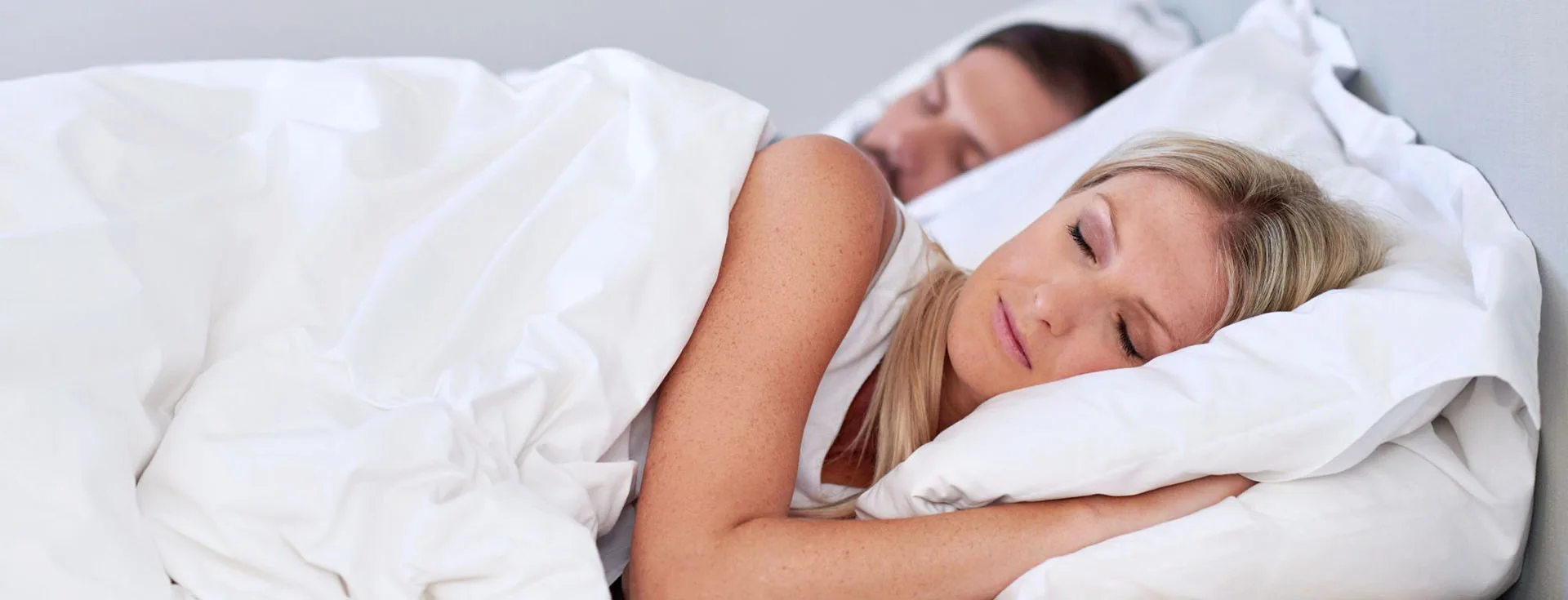
Grinding / Bruxism
Grinding and clenching your teeth (bruxism) put strain on the teeth, chewing muscles and jaw joints – often unnoticed during sleep. Typical consequences are worn teeth, muscle tension, facial or headaches and even craniomandibular dysfunction (CMD). A custom-made bite splint relieves the chewing system and protects the teeth – fitted by Dr. Michael Adler at the Swiss Dental Center in Zurich.
“Battling through life”, “chewing over a problem” or “gritting your teeth and putting up with something” – who doesn’t know these expressions? Have you ever paid attention to how often your teeth are touching? Really, they should only be in contact for about half an hour a day, because teeth are meant for chewing. Even when swallowing they touch only very briefly – but otherwise not at all. When we grind our teeth at night or are tense all day long, the load often becomes too great. The muscles can become overworked, painful and thicker; and the main chewing muscle already has the largest cross-section of any muscle in the body!How the jaw joint works
The jaw joint is the joint of the body with the greatest freedom of movement and lies just in front of the ear. For this reason, earache and jaw-joint pain can easily be confused. Physical and psychological overload can lead to misalignments in the jaw joint and contribute to tension. If the neck muscles are also affected, tension headaches can occur.
A faulty bite – that is, a position of the teeth relative to each other that is unfavourable for the joint – can, during grinding or clenching (whether by day or night), lead to incorrect loading and unphysiological wear. Diagnoses such as craniomandibular dysfunction (CMD) or bruxism are therefore influenced by many factors.

So how can we help you?
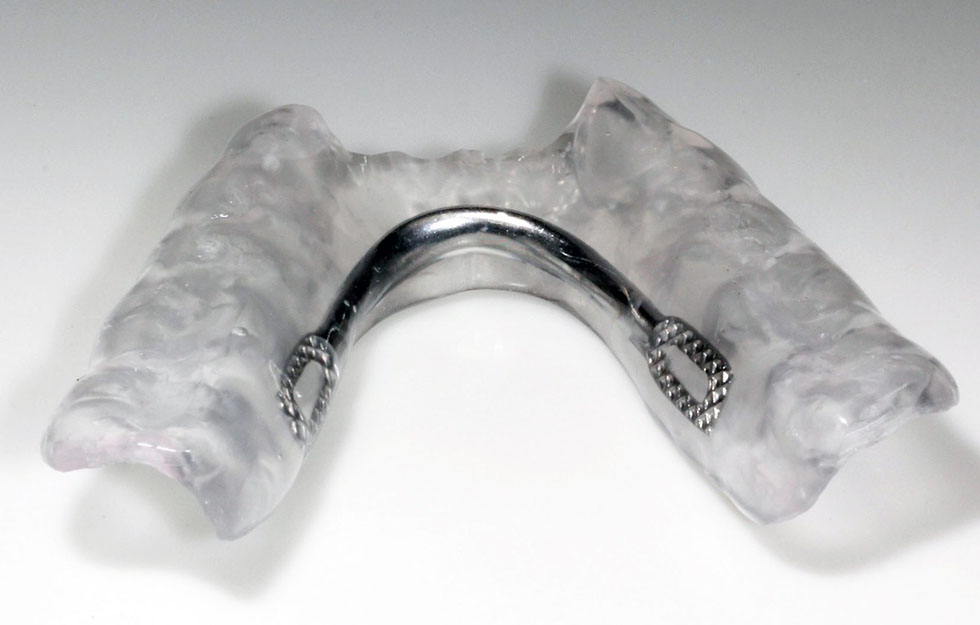
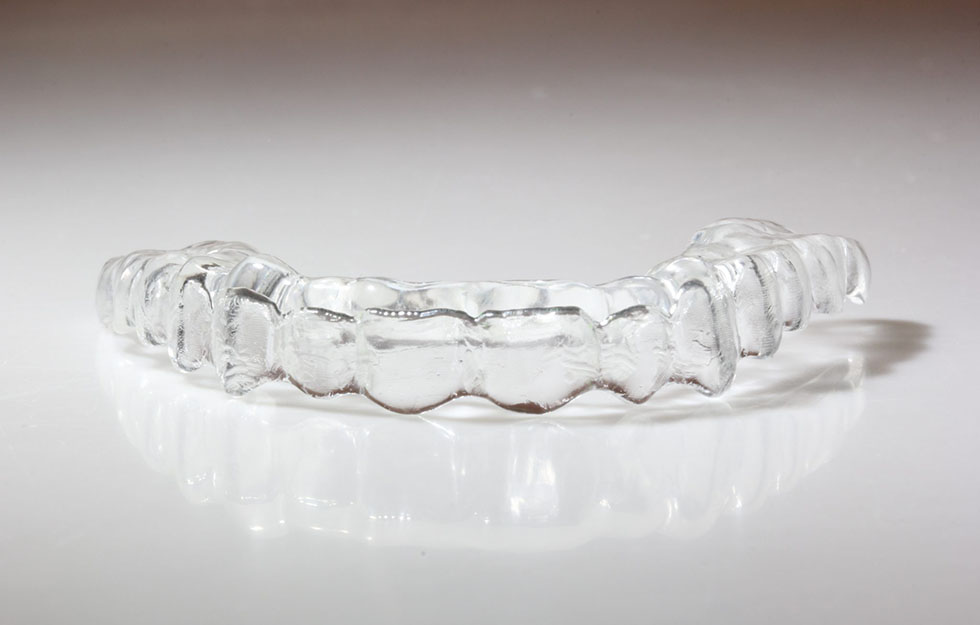
A bite splint, worn at night and sometimes during the day too, relieves your joints and gives your chewing and jaw system a balanced position. It also protects the structures of your chewing system.
In addition, physiotherapy, self-exercises and relaxation techniques can ease the symptoms. In acute phases you may be recommended a prefabricated acute splint before you receive an individual one. Its production is accompanied by various measurements of the jaw-joint position.
If necessary, the splint should be adjusted several times to make sure it is exactly right for you and as delicate as possible. Most CMD patients would no longer want to be without such a splint in its optimal position.
Frequently asked questions about grinding and bite splints
How do I notice that I grind my teeth?
Common signs are flattened or sensitive teeth, morning tension in the chewing muscles or temples, headaches after waking, and clicking or grinding sounds in the jaw joint. Often a partner notices the nocturnal grinding sound – or the dentist sees the wear marks.
What is the difference between bruxism and CMD?
Bruxism refers to grinding and clenching itself. CMD (craniomandibular dysfunction) is a functional disorder of the chewing system – with pain or restricted movement of the jaw joint and chewing muscles. Bruxism can promote CMD; both are assessed during the examination.
How does a bite splint help?
Worn at night (and during the day if needed), the splint distributes the forces evenly, relieves the jaw joints and muscles and protects the tooth substance from further wear. Physiotherapy, self-exercises and relaxation techniques can complement this and ease the symptoms.
What does a bite splint cost – and does health insurance pay?
A custom-made splint costs between CHF 700 and 1,400 depending on the system and effort involved. A contribution from basic health insurance is possible but not guaranteed – we are happy to ask your insurer on your behalf for a contribution towards the total cost. On request, you will receive a quote before treatment that you can submit to your insurer for prior cost approval.
Suspect grinding or CMD? Arrange an examination appointment at the Swiss Dental Center.
Author: Michael Adler, DMD, MSc – dentist focused on dental sleep medicine · Last updated: July 2026