


Mandibular advancement splints
Mandibular advancement splints (MAS) are custom-made dental splints that hold the lower jaw slightly forward during sleep. This keeps the tongue and soft tissue forward and the airway open – an effective way to treat snoring and mild to moderate obstructive sleep apnea. Within the InterSleep treatment concept, Dr. Michael Adler (DGZS-certified) fits the splints at the Swiss Dental Center at Hardbrücke in Zurich. For details of how treatment works, what it costs and where to find us, see treating snoring in Zurich.
The advancement splint
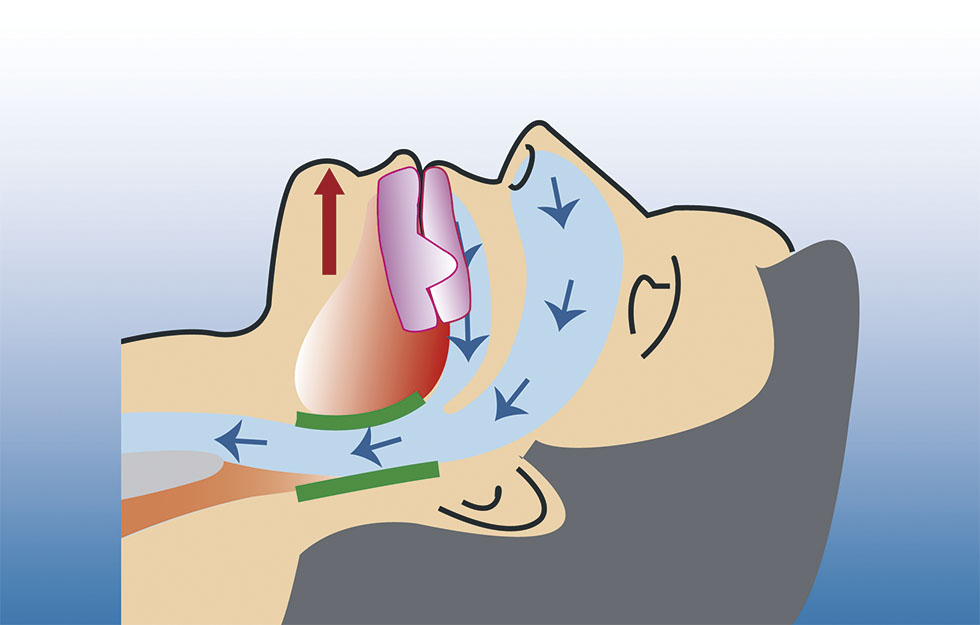
When the muscles relax during sleep, the lower jaw and tongue fall back and narrow the airway.
Special dental splints, known as mandibular advancement splints (MAS), help many patients against snoring. They are often highly effective in obstructive sleep apnea as well.
MAS gently pull the lower jaw forward at night and thereby keep the airway open. Such splints are sometimes called snoring splints or anti-snoring splints, which does not do justice to their true capabilities:
they are used not only for simple snoring but also for mild to moderate sleep apnea.
For severe sleep apnea, mask ventilation therapy (CPAP) is more suitable. If you cannot tolerate it, mandibular advancement splints can partially improve your symptoms.
Costs
If it has been prescribed by a medical professional, mandatory basic health insurance usually covers the full cost of a custom-made mandibular advancement splint – for mild to moderate obstructive sleep apnea syndrome, or if you have severe sleep apnea and cannot tolerate the CPAP therapy that would normally be indicated.
For simple snoring and/or self-payers, the splint costs between CHF 1,500 and 2,700 including the first check-up session, of which more than CHF 700 is already accounted for by laboratory costs.
On request, you will receive an individual quote before treatment, which you can submit to your health insurer for prior cost approval.
Types of mandibular advancement splints
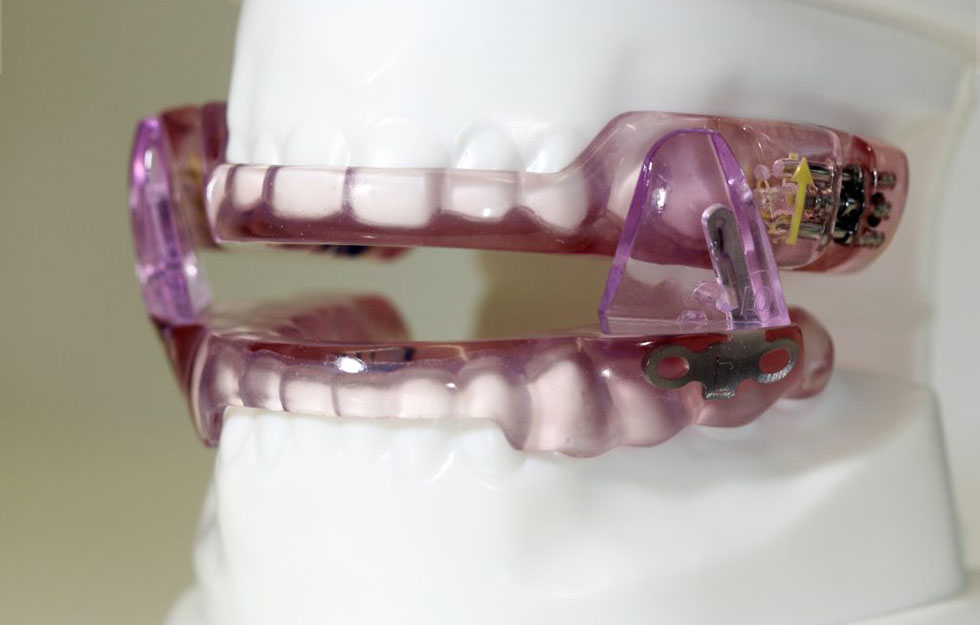
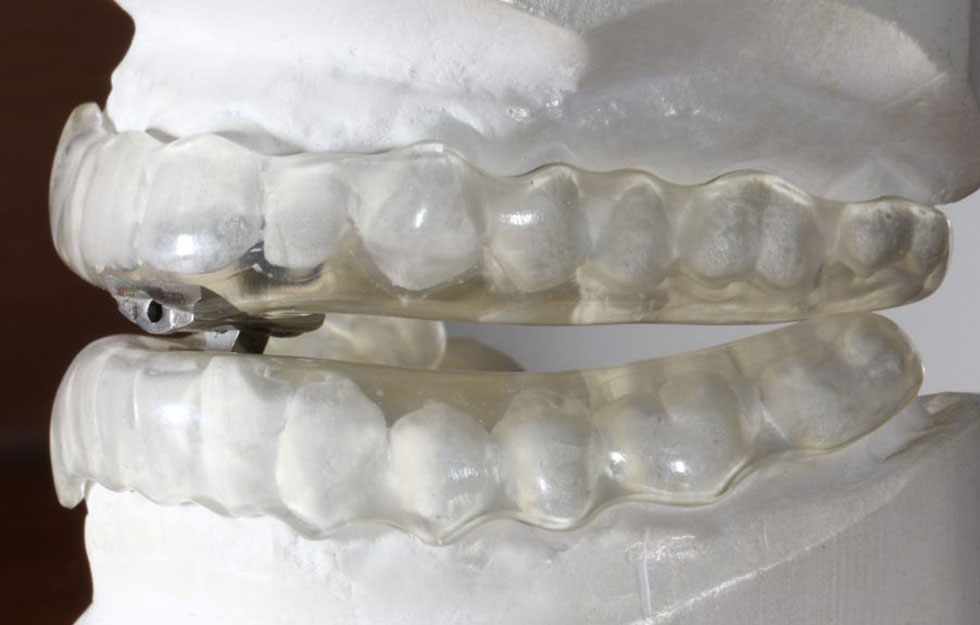
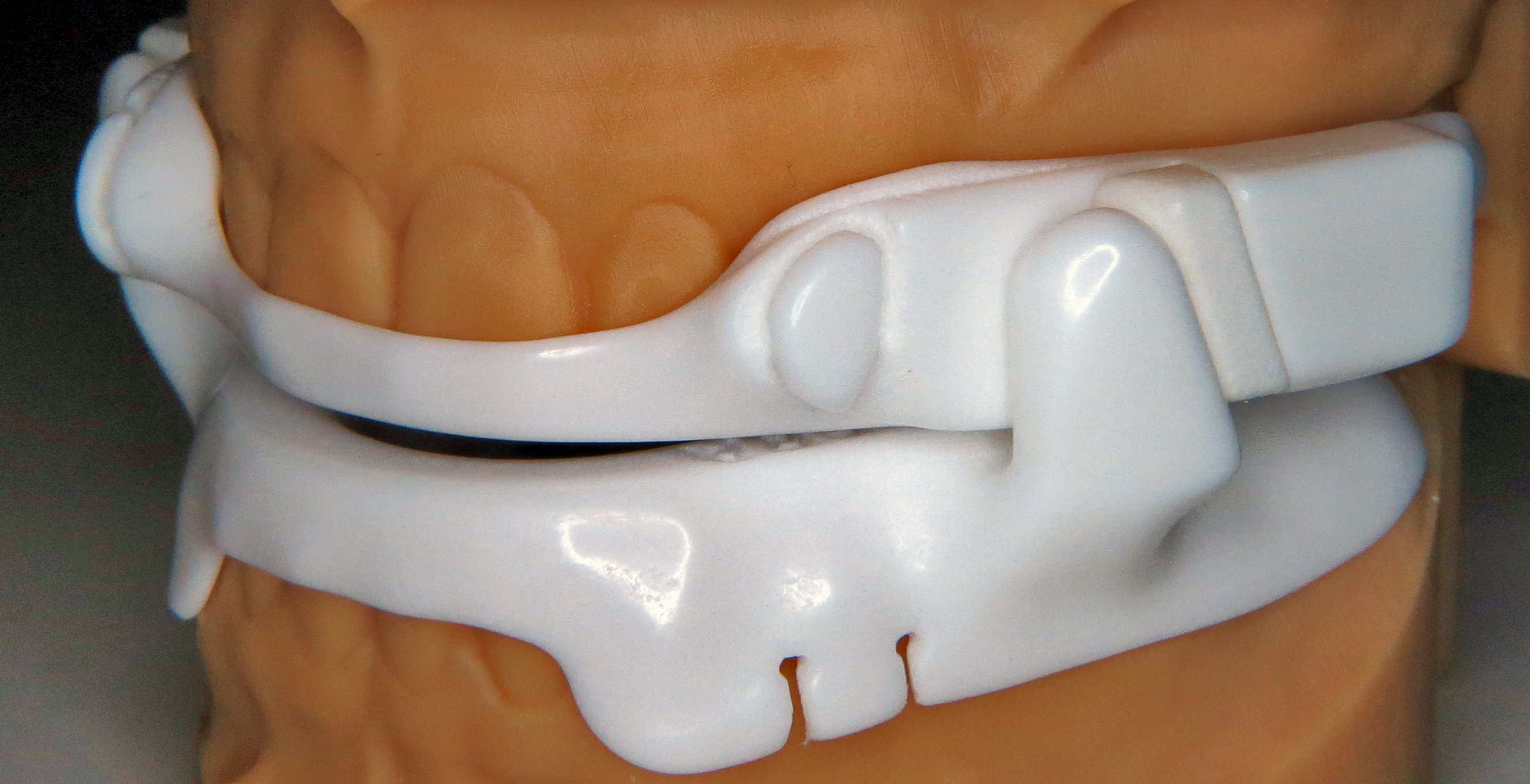
Modern systems consist of two parts: one for the upper jaw and one for the lower jaw. Between the two parts are connecting mechanisms that hold the lower jaw in a forward position.
Advancement splints and your dentist
Unfortunately, such splints may be made by any dentist or doctor – “unfortunately”, because fitting individual mandibular advancement splints is not part of standard dental training or specialist medical training. Only a few dentists and orthodontists have genuine further training and experience. Yet this additional training is very important for good treatment.
In addition to his practical experience since 2007, Dr. Michael Adler is certified for this field by the professional society “German Society of Dental Sleep Medicine” (DGZS).
Splint systems and manufacturers compared
There are many different manufacturers of such splints on the market. Each model has advantages and disadvantages and is better suited to one patient or another. But don’t worry: it is not up to you to study the properties of the different splint models! Selecting the right model is part of the InterSleep concept. We are happy to explain the choice to you during your appointment.
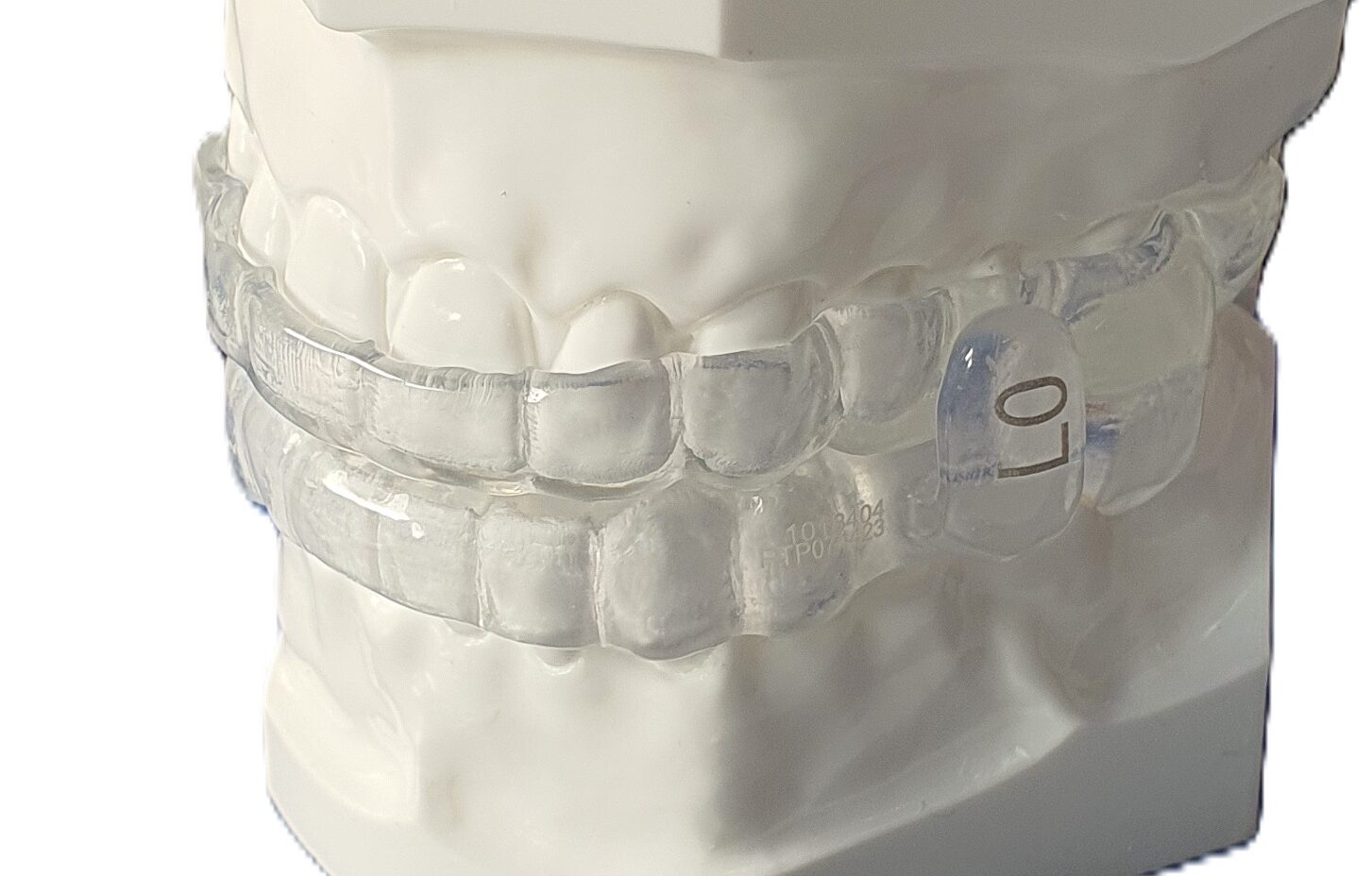
Test splints from the internet: are they any good?
So-called “test splints” or “trial splints” are offered on the internet, in pharmacies and even in some medical practices. These are prefabricated splints that are meant to be adapted to the individual jaw and tooth shape by heating. Despite all the effort, the results are usually modest, because the splints generally do not fit well on the teeth and the bulky feeling in the mouth reduces wearing comfort and therefore sleep quality. We only make them after explaining the drawbacks and at your express request.
Snoring splints from the pharmacy
Pharmacies can only sell simple, thermoplastic test splints. These are described in the paragraph above.
Frequently asked questions about the advancement splint
How quickly does the splint work?
Many patients notice a clear improvement within the first few nights. The optimal degree of forward positioning is set gradually over a few weeks and reviewed at the follow-up appointments.
How long does an advancement splint last?
As a guide value, a lifespan of three to five years applies. The service life depends on the material, the system and the strain placed on it – for example if you also grind your teeth. Good care extends its lifespan.
Does the splint have side effects?
During the adjustment phase, you may experience increased salivation or a feeling of tension in the jaw muscles and joint in the morning; both usually subside quickly. With many years of use, minor changes in tooth position are possible – which is why regular dental check-ups are part of the treatment.
How do I care for the splint properly?
Clean the splint in the morning with a soft toothbrush and cold water, and occasionally with special cleaning tablets. Hot water can deform the material. Store the splint dry in its case.
Does health insurance pay for the advancement splint?
If it has been prescribed by a medical professional, mandatory basic health insurance usually covers the costs in full – for mild to moderate obstructive sleep apnea syndrome, or if you have severe sleep apnea and cannot tolerate the CPAP therapy that would normally be indicated. We are happy to prepare a quote in advance for prior cost approval.
Can I wear the splint with dentures or implants?
In many cases, yes – provided your remaining teeth are sufficiently stable. Whether a splint is possible for you is something we clarify at the first dental examination.
Author: Michael Adler, DMD, MSc – dentist focused on dental sleep medicine · Last updated: July 2026
Based on the guidelines of the SSSSC and DGSM for dental sleep medicine.