

Dental splints: which splint helps with what?
In brief: the InterSleep treatment concept uses two types of custom-made dental splints: mandibular advancement splints for snoring and mild to moderate obstructive sleep apnea – and bite splints for teeth grinding (bruxism) and CMD. Both are fitted by Dr. Michael Adler at the Swiss Dental Center at Hardbrücke in Zurich.
Mandibular advancement splint
For snoring and sleep apnea. The two-part splint holds the lower jaw slightly forward during sleep and thus keeps the airway open – quiet nights without a mask and without surgery. Its effectiveness for mild to moderate sleep apnea is well documented; with a medical prescription, mandatory basic health insurance usually covers the costs in full.
More about the advancement splint
Comparison: splint or CPAP?
Online test: assess your sleep apnea risk
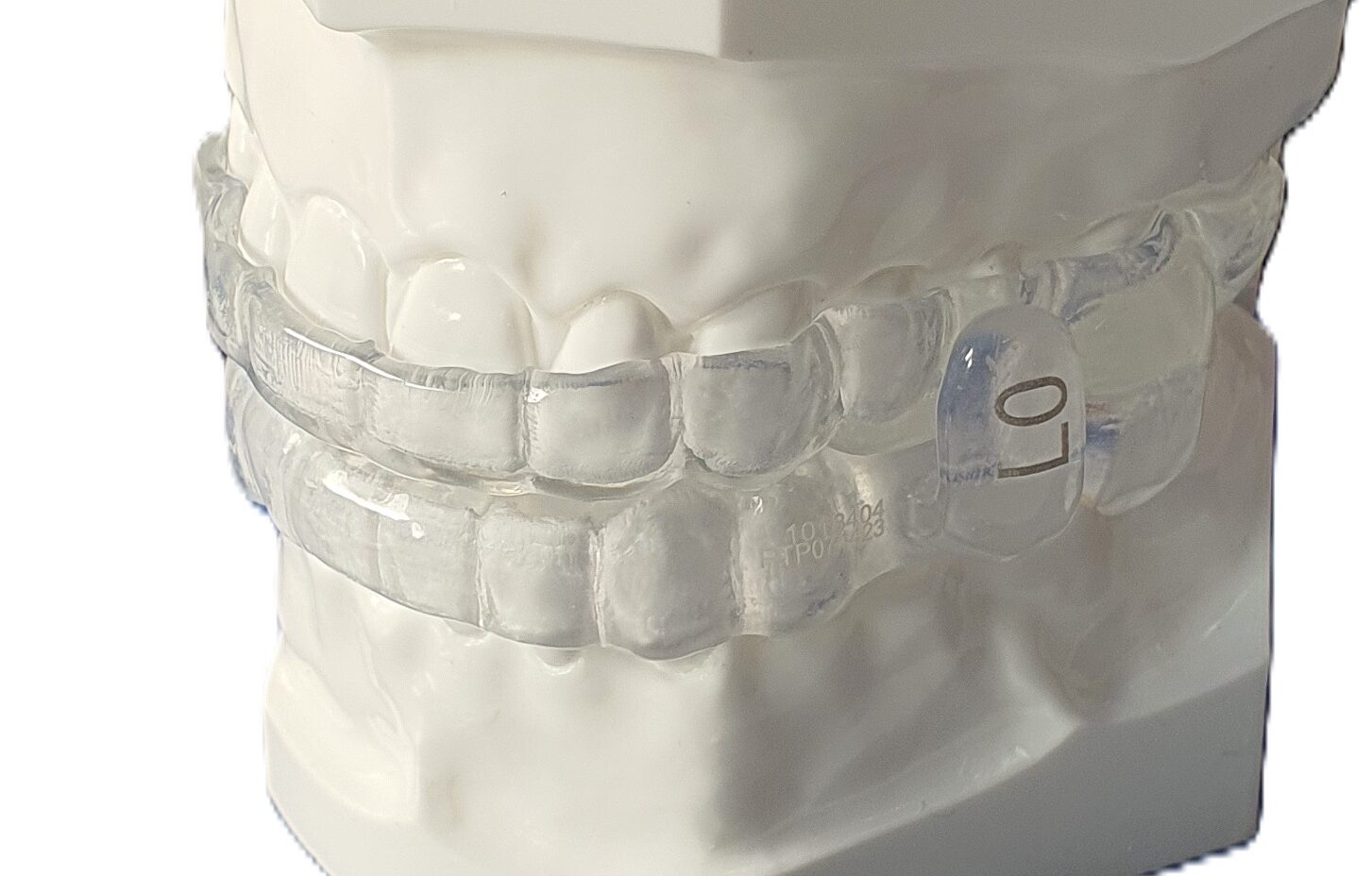
Bite splint
For teeth grinding (bruxism) and CMD. Worn at night, the splint distributes the chewing forces evenly, relaxes the chewing muscles, relieves the jaw joints and protects the teeth from further wear. Physiotherapy and relaxation techniques can complement this.
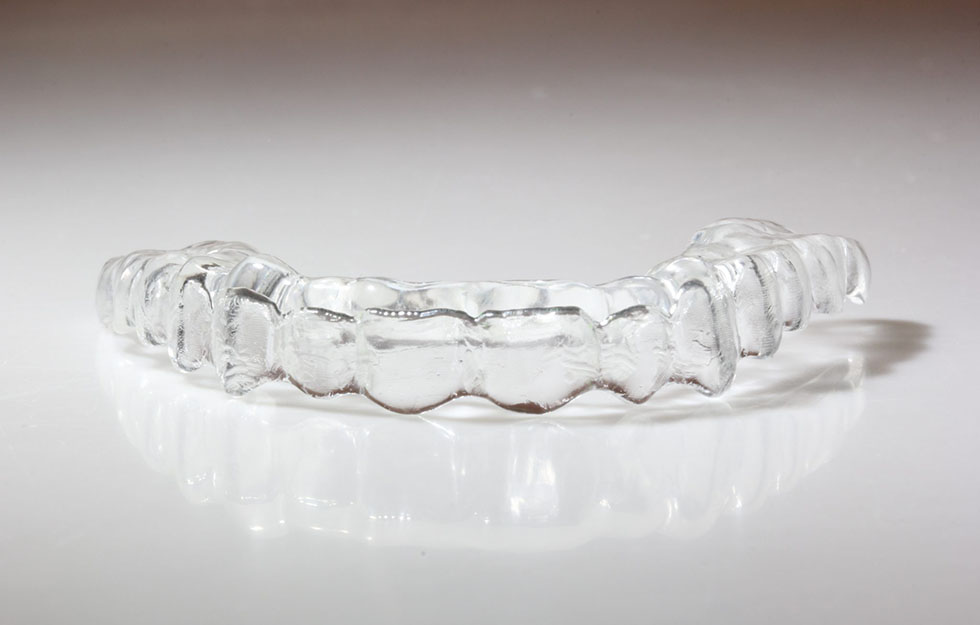
At a glance
| Type of splint | Helps with | Key feature |
|---|---|---|
| Mandibular advancement splint | Snoring, mild to moderate sleep apnea | Keeps the airway open during sleep; alternative to the CPAP mask |
| Bite splint | Teeth grinding (bruxism), CMD | Relaxes the chewing muscles, relieves the jaw joints and protects the tooth substance |
Not sure which splint is right for you? Arrange an examination appointment – we clarify together what suits your symptoms.
Author: Michael Adler, DMD, MSc – dentist focused on dental sleep medicine · Last updated: July 2026